KYC & KYB
Legal identity, business activity, operating profile, authorized signatories and documentary verification.

Standards
No transaction proceeds without the required counterparty, sanctions, cargo and internal approvals.
Control framework
Compliance and risk controls apply to every counterparty and every cargo. The depth of review is proportionate to jurisdiction, ownership, product, vessel, route, payment structure and the evidence available.
Legal identity, business activity, operating profile, authorized signatories and documentary verification.
Ultimate beneficial ownership, control structure, PEP and adverse-media review.
Counterparty, jurisdiction, vessel and cargo screening against applicable consolidated lists.
IMO, flag, ownership, AIS history, product origin, title and chain-of-custody review.
Anti-bribery, AML/CTF, export controls, destination restrictions and rejection criteria.
Secure channels, call-back verification, change controls, retention and escalation.
Risk governance
Each material risk has a preventive control, an approval authority and a mitigation path. Exceptions are documented and escalated; they are not treated as routine commercial flexibility.
Positions are matched, structured or hedged where applicable within agreed exposure parameters.
Trading, operations, risk, compliance and settlement responsibilities are separated by control.
Breaches, anomalies and documentary changes trigger defined review and senior approval.
Risk matrix
The framework combines preventive controls, transaction-specific limits, independent review and documented escalation.
| Risk | Primary exposure | Control response | Escalation |
|---|---|---|---|
| Counterparty | Default, fraud, capacity or authority | KYC/KYB, ownership, credit, references, limits and document verification | Compliance / Risk / CEO |
| Price and basis | Market movement, timing or index mismatch | Back-to-back structure, matched pricing periods, hedging where approved, daily exposure review | Trading / Risk |
| Credit and liquidity | Payment delay, funding gap or bank risk | Approved instruments and banks, liquidity planning, tenor limits, documentary conditions | CFO / Risk / CEO |
| Logistics | Delay, rejection, freight, demurrage or terminal constraint | Vessel and terminal checks, laycan planning, alternatives, inspection and operational monitoring | Operations / Trading |
| Quality and quantity | Off-specification, shortage or measurement dispute | Contract specifications, independent inspection, sampling, sealed custody and outturn review | Operations / Legal |
| Sanctions and trade controls | Restricted party, vessel, origin, route or payment | Screening at onboarding and pre-performance, vessel history, jurisdiction and transaction review | Compliance / CRO / CEO |
| Legal and title | Invalid title, inconsistent terms or unenforceable remedy | Contract review, allocation and title evidence, governing-law and document alignment | Legal / CEO |
| Operational fraud | Impersonation, instruction change or document manipulation | Controlled channels, call-back verification, segregation, dual approval and retention | Compliance / CFO / CEO |
Vessel and cargo integrity
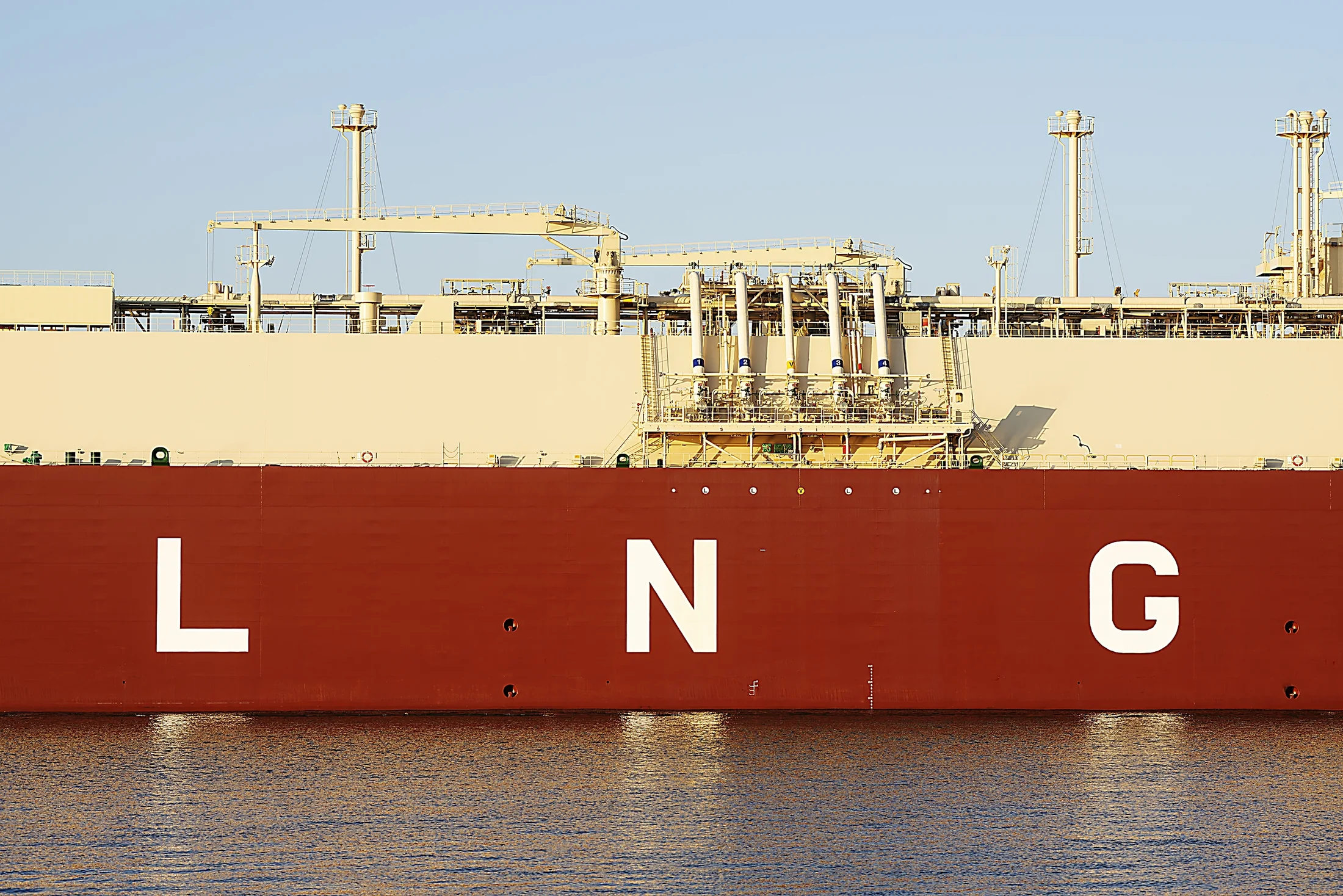
Review may cover the vessel's IMO identity, flag, class, ownership and management, P&I, AIS history, recent port calls and relevant vetting information. Product origin, routing and cargo documents are reviewed for consistency.
A satisfactory commercial opportunity does not override sanctions, title, safety or documentary concerns.
Transaction evidence
KYC packs, bank letters, settlement instructions, contracts, recaps, inspection reports and transaction-specific documents are not published on this website. Qualified counterparties receive the appropriate evidence at the relevant onboarding or transaction stage, subject to confidentiality and verification procedures.
References to external standards or regulatory frameworks describe the basis of the relevant control and do not constitute a separate certification claim.
Contact compliance