Originate and qualify
Identify executable supply or demand and establish counterparties, authority, product and route.
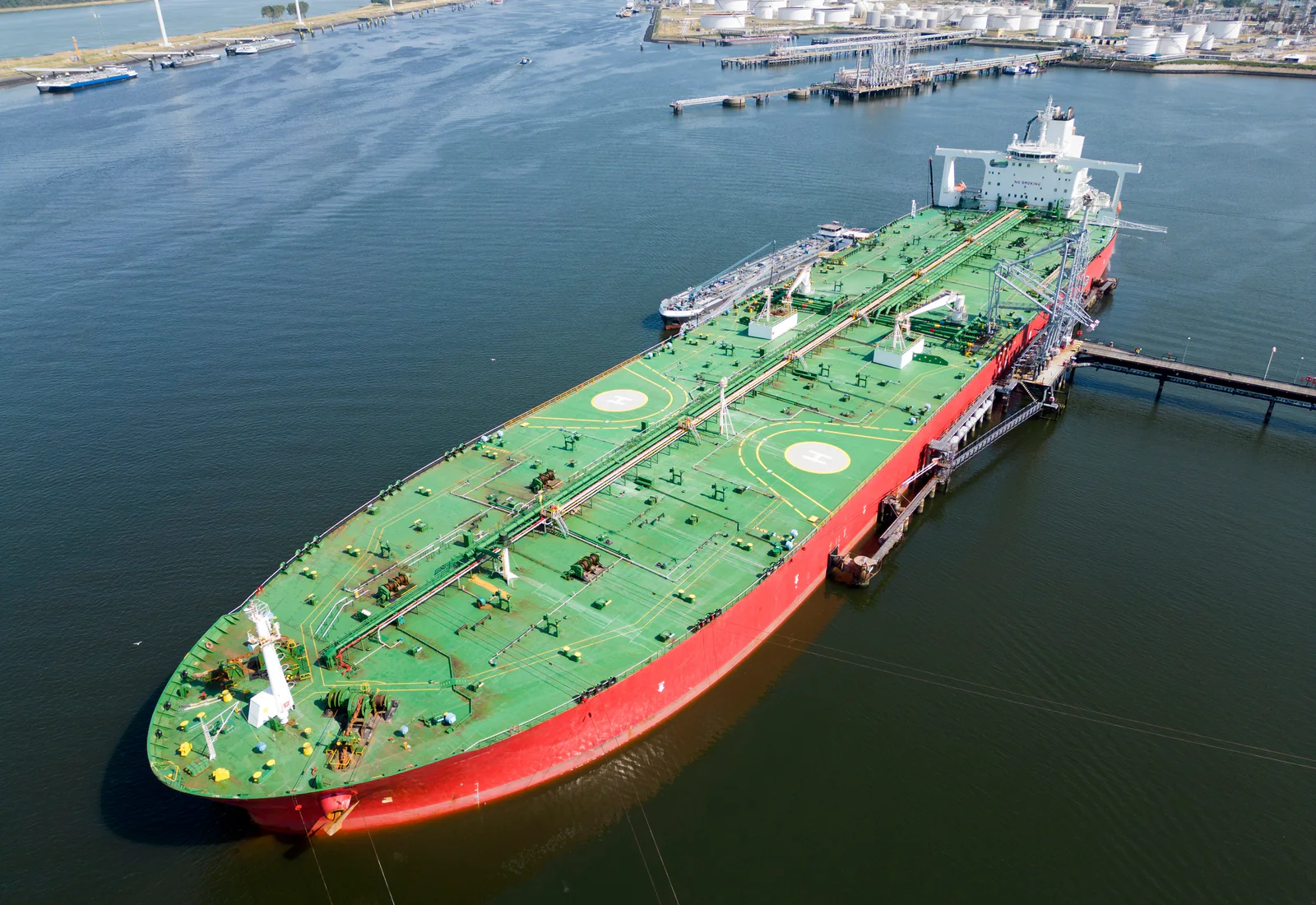
How we trade
Physical transactions are managed across commercial, contractual, logistical, financial and control functions.
Execution model
Each trade begins with identifiable supply or demand and proceeds through counterparty approval, contract structuring, cargo operations, documentary control and settlement.
Identify executable supply or demand and establish counterparties, authority, product and route.
Agree commercial terms, complete compliance and credit review, and confirm banking viability.
Execute contracts, arrange payment security, and nominate vessels, terminals and inspectors.
Load, document, deliver, reconcile, settle and close out the transaction record.
Transaction workflow
The exact sequence varies by delivery basis and bank structure, but each transaction must address the following commercial and control gates.
Identify direct supply or qualified demand, product, quantity, timing, destination and delivery basis.
Test indicative economics, route, freight, working-capital needs and execution feasibility.
Confirm the legal entities, commercial authority and intended role of each participant.
Review ownership, control, reputation, jurisdictions, vessel exposure and applicable trade restrictions.
Establish source, specification, allocation, title path and chain-of-custody evidence.
Align price basis, differential, quantity, tolerance, delivery window and conditions precedent.
Confirm limits, acceptable banks, instrument structure, tenor, liquidity and settlement path.
Agree quality, quantity, title, risk transfer, inspection, documents, remedies and governing law.
Approve and authenticate the applicable LC, SBLC, guarantee, collection or other agreed structure.
Coordinate vessel acceptance, terminal compatibility, laycan, agents and voyage instructions.
Manage sampling, measurement, quality, quantity, pumping and operational records.
Produce and reconcile bills of lading, certificates, invoices and contractual documents.
Coordinate receiving-terminal performance, independent inspection and quantity reconciliation.
Present compliant documents, complete bank-to-bank payment and reconcile receipts.
Resolve claims, calculate laytime, close exposure and retain the complete transaction record.
Commercial structure
Contract terms are built around the specific cargo and route. Product quality, quantity tolerances, delivery basis, laytime, title transfer, inspection, documentary requirements and payment mechanics are agreed before execution.
The trading model is led by physical flows. Transactions may be structured back-to-back, matched or hedged where applicable, with open exposure managed within approved parameters.
Commercial capability, ownership, reputation, credit and onboarding evidence.
Origin, specification, title, chain of custody, inspection and documentary consistency.
Vessel, terminal, timing, sanctions exposure, freight and operational alternatives.
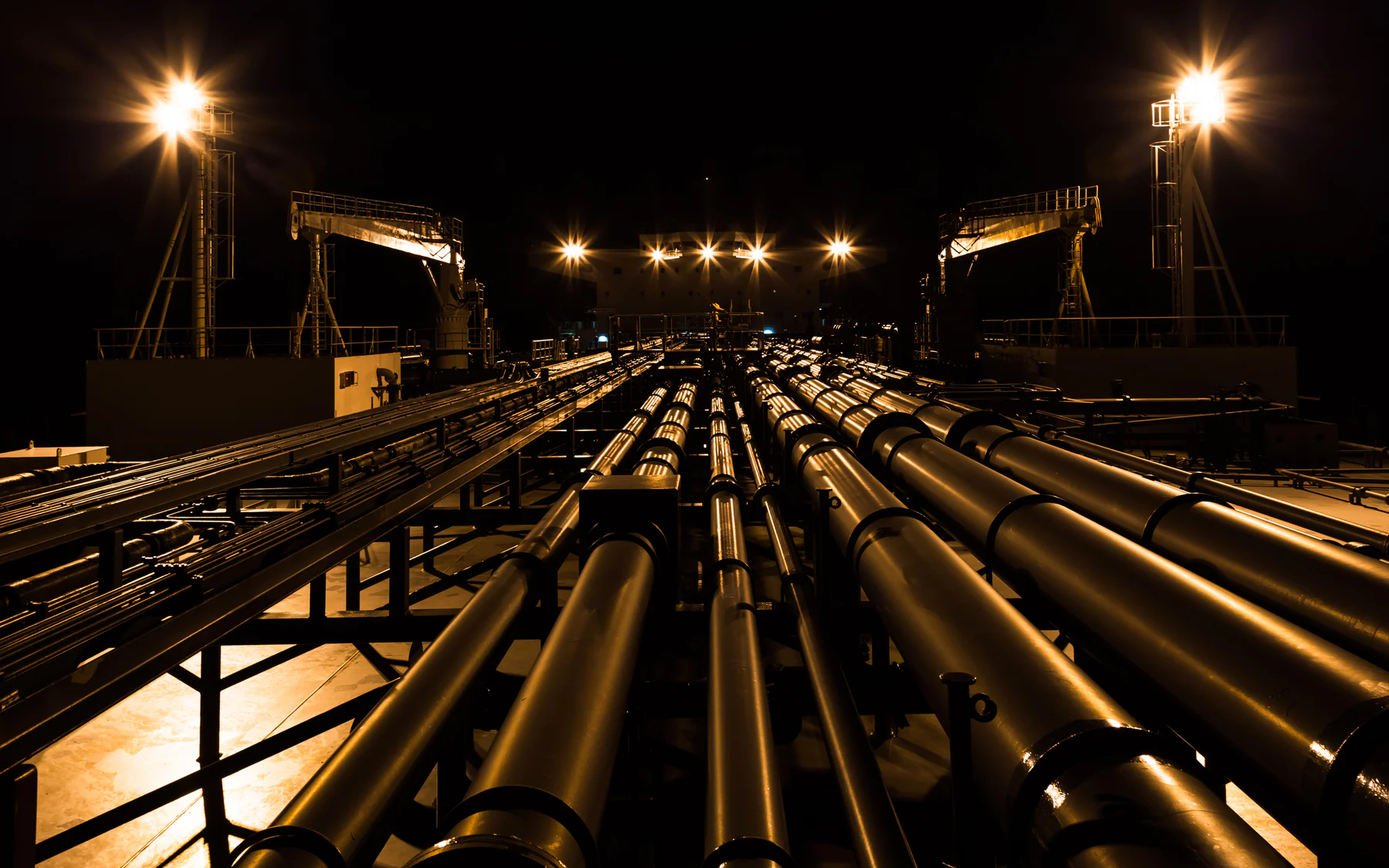
Trade finance
Documentary credits, guarantees, collections or other agreed structures are transaction-specific and subject to bank approval. Instrument wording and authentication are agreed through appropriate banking channels before reliance.
Trade-finance frameworkExecution ownership
Operations monitors nominations, vessel and terminal readiness, inspection appointments, document production, presentation and reconciliation. Exceptions are escalated through defined authority rather than resolved informally.
Commercially sensitive bank details, contracts, inspection reports, vessel documents and counterparty information are exchanged only through controlled channels with qualified parties.